Understanding Siding Materials: A Comprehensive Guide
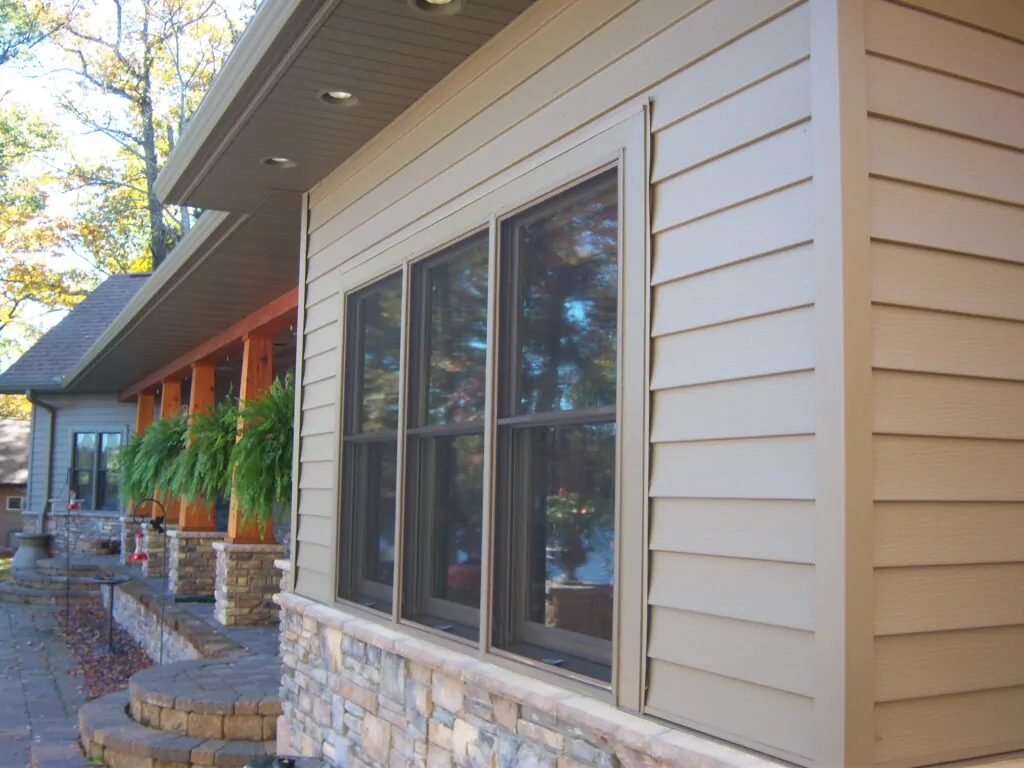
Choosing the right siding material is crucial for the longevity and aesthetic appeal of your home. Different materials, such as vinyl, wood, and fiber cement, offer unique benefits and drawbacks that homeowners should consider based on their climate, budget, and personal style.
For instance, vinyl siding is known for its low maintenance and durability, making it a popular choice in various regions. On the other hand, wood siding provides a classic look but requires regular maintenance to prevent rot and insect damage. Understanding these materials helps homeowners make informed decisions that align with their home improvement goals.
Signs Your Siding Needs Repair or Replacement
Recognizing the signs of siding damage is essential for maintaining the integrity of your home. Common indicators include warping, cracking, fading, and the presence of mold or mildew, which can compromise the protective barrier siding provides against the elements.
Homeowners should regularly inspect their siding for these issues, especially after severe weather events. Addressing these problems promptly can prevent more extensive damage and costly repairs down the line, ensuring your home remains safe and visually appealing.
Maintenance Tips for Prolonging Siding Lifespan
Regular maintenance is key to extending the life of your siding. Simple tasks such as cleaning, inspecting for damage, and sealing gaps can significantly enhance your siding's durability and performance, protecting your home from moisture and pests.
For example, washing your siding at least once a year helps remove dirt and mold that can lead to deterioration. Additionally, applying a protective sealant can help shield your siding from harsh weather conditions, ensuring it remains in top condition for years to come.
Eco-Friendly Siding Options for Sustainable Homes
As sustainability becomes increasingly important, many homeowners are exploring eco-friendly siding options. Materials such as reclaimed wood, bamboo, and fiber cement can provide durable and attractive solutions while minimizing environmental impact.
Choosing sustainable siding not only reduces your carbon footprint but can also enhance your home's energy efficiency. For instance, insulated siding can help regulate indoor temperatures, reducing the need for heating and cooling, which ultimately lowers energy costs and promotes a greener lifestyle.