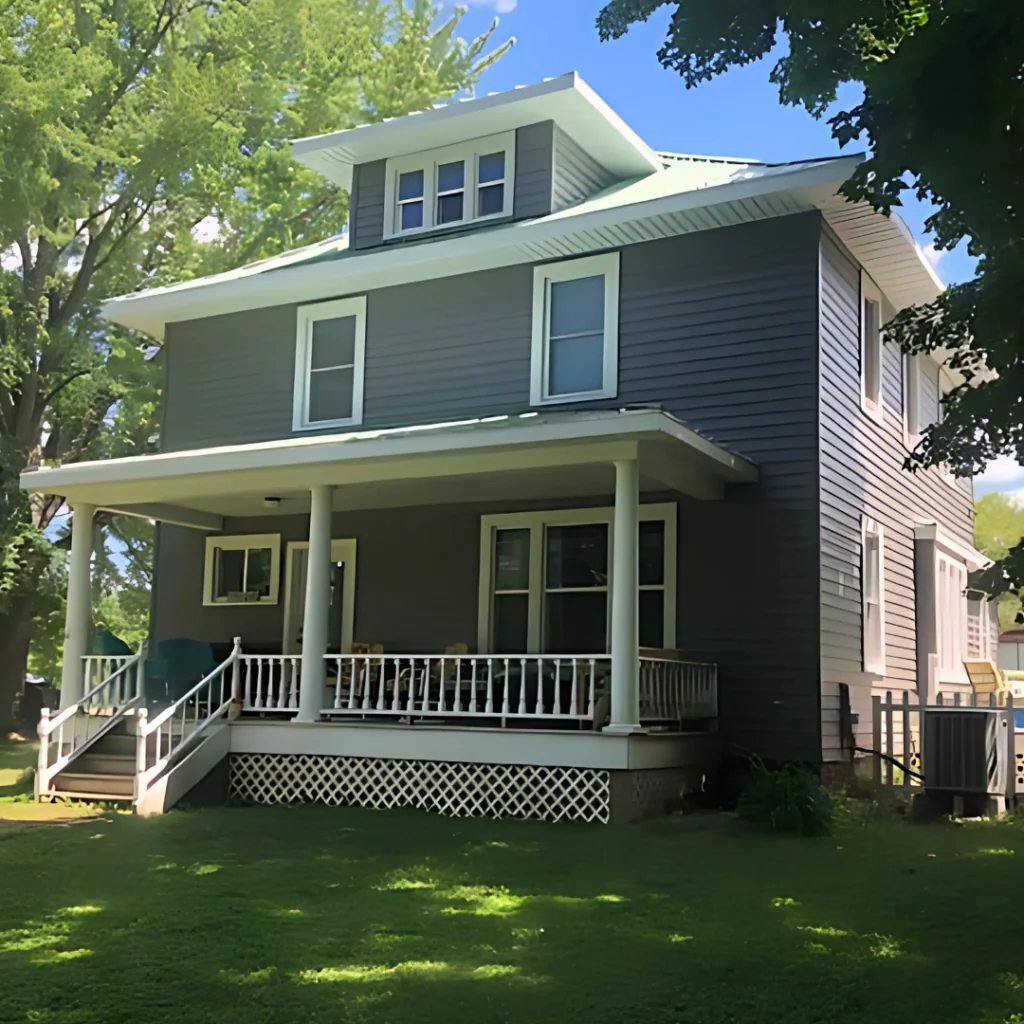
Understanding the Different Types of Siding Materials
When considering a re-siding project, it's essential to understand the various types of siding materials available. Common options include vinyl, wood, fiber cement, and metal, each offering unique benefits and aesthetics. Homeowners should evaluate their priorities, such as durability, maintenance, and energy efficiency, to choose the best material for their needs.
For example, vinyl siding is popular for its low maintenance and affordability, while fiber cement siding is known for its longevity and resistance to weather elements. Wood siding, though beautiful, may require more upkeep, and metal siding can provide a modern look with excellent durability. Understanding these options helps homeowners make informed decisions that align with their goals.
Cost Considerations for Re-Siding Your Home
Budgeting for a re-siding project involves more than just the cost of materials; homeowners must also consider labor, removal of old siding, and potential repairs to the underlying structure. On average, homeowners can expect to pay between $5,000 and $15,000 for a complete re-siding job, depending on the size of the home and the materials chosen.
Additionally, it's crucial to factor in the long-term savings associated with energy-efficient siding options. While the upfront costs may be higher for materials like fiber cement, the energy savings over time can offset these initial expenses, making it a worthwhile investment for many homeowners.
Maintenance Tips for Your New Siding
Once you've completed your re-siding project, maintaining the new siding is key to ensuring its longevity and performance. Regular inspections and cleanings can prevent damage from dirt, mold, and mildew, which can affect both appearance and energy efficiency. Homeowners should aim to clean their siding at least once a year, using a gentle detergent and a soft brush.
In addition to regular cleaning, homeowners should check for any signs of damage, such as cracks or warping, and address these issues promptly. Keeping gutters clean and ensuring proper drainage can also help protect siding from water damage. By following these maintenance tips, homeowners can extend the life of their siding and maintain its curb appeal.
Signs It's Time to Consider Re-Siding
Identifying the right time for a re-siding project can save homeowners from more extensive repairs down the line. Look for signs such as peeling paint, warped panels, or increased energy bills, which may indicate that your current siding is failing to perform effectively. Additionally, if you notice moisture damage or mold growth, it may be time to consider a replacement.
Another factor to consider is the age of your siding. Many materials, like vinyl and wood, have a lifespan of 20 to 40 years. If your siding is approaching this age, it may be more cost-effective to invest in new siding rather than continue patching up issues. By being proactive and recognizing these signs, homeowners can enhance their home's efficiency and aesthetic appeal.