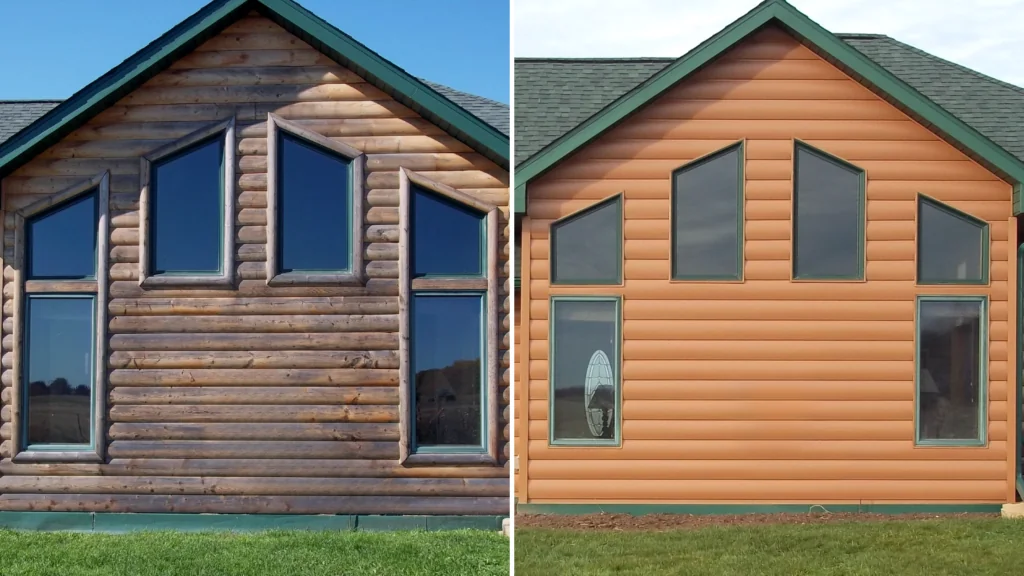
Understanding the Causes of Siding Fading
Siding fading can occur due to various factors, including prolonged exposure to sunlight, harsh weather conditions, and the materials used in the siding. Understanding these causes is crucial for homeowners to take proactive measures in protecting their investments.
For instance, vinyl siding is particularly susceptible to UV rays, which can lead to discoloration over time. In contrast, fiber cement siding typically offers better resistance to fading due to its composition. Homeowners should consider these factors when selecting siding materials to ensure longevity and maintain aesthetic appeal.
Effective Maintenance Tips for Faded Siding
Regular maintenance is essential for preserving the appearance of your siding and preventing fading. Simple practices such as cleaning the siding periodically can help remove dirt and grime that contribute to discoloration.
Using a mixture of water and mild detergent, homeowners can wash their siding at least once a year. Additionally, inspecting the siding for damages and addressing them promptly can prevent further deterioration. For more severe fading, homeowners may want to consider repainting or refinishing their siding to restore its original look.
Comparing Siding Materials: Which Fades the Least?
When choosing siding, it's important to consider how different materials respond to fading. Some materials, like vinyl, are known for their affordability but may fade more quickly than others.
On the other hand, materials like fiber cement and natural wood can offer better resistance to fading, although they may come with a higher upfront cost. Understanding these differences can help homeowners make informed decisions that align with their budget and aesthetic preferences.
Signs It's Time to Replace Your Faded Siding
Recognizing the signs of fading siding is crucial for homeowners to maintain their property's curb appeal. If your siding has lost its vibrant color and appears dull, it may be time to consider replacement or refinishing options.
Other indicators include cracking, warping, or peeling paint, which can compromise the siding's integrity. Addressing these issues promptly not only enhances the home's aesthetic but also prevents potential damage to the underlying structure.